Skip to content

Recent Posts

  • Teeth Whitening for Brighter Smile
  • Sedation Dentistry
  • Benefits of Teeth Cleaning
  • Why get Veneers?
  • What is Gum Treatment?

Most Used Categories

  • Blogging (7)
Skip to content

Abiline Dentist

Subscribe
    Blogging

    Teeth Whitening for Brighter Smile

    abileneFebruary 11, 2025January 29, 2026
    Blogging

    Sedation Dentistry

    abileneMarch 22, 2023March 2, 2023
    Blogging

    Benefits of Teeth Cleaning

    abileneMarch 18, 2023March 2, 2023

    Teeth Whitening for Brighter Smile

    abileneFebruary 11, 2025January 29, 2026

    A common cosmetic dentistry operation, teeth whitening is intended to improve the look of your smile by eliminating discolouration and stains from your teeth. Teeth can lose their natural whiteness over time due to a variety of reasons, including age, food, and lifestyle choices. Common staining agents include tobacco, red wine, tea, coffee, and other foods. Thankfully, teeth whitening is now a practical and affordable option for everyone looking for a bright smile thanks to recent developments in dental treatment.

    Teeth can be whitened using a variety of techniques, from in-office expert procedures to over-the-counter medications used at home. A high-concentration bleaching chemical, such as hydrogen peroxide or carbamide peroxide, is usually used in professional teeth whitening procedures, which are frequently carried out by dentists. To guarantee safety and the best possible outcomes, these treatments are given in a regulated setting. Light or laser technology is frequently used in in-office whitening procedures to increase the whitening agent’s efficacy and produce obvious effects in a single session.

    Custom-made whitening trays are available from dentists for people who would rather whiten at home. These trays are placed on the teeth for a certain amount of time every day and are loaded with a bleaching gel with a lesser concentration. This method has the benefit of enabling people to gradually whiten their teeth over a period of weeks while being closely monitored by their Mount Pleasant dentist. Although whitening strips, gels, and toothpaste are readily accessible over-the-counter, they might not be as effective or reliable as professional treatments.

    There are more advantages to teeth whitening than just appearance. A more radiant smile can improve first impressions, increase self-esteem, and promote general wellbeing. People are more inclined to grin broadly when they are happy with their teeth, which can enhance social and professional relationships. Additionally, because they are eager to keep their freshly brightened smile, those who have had their teeth whitened are frequently encouraged to maintain better dental care practices.

    When done properly, teeth whitening is usually harmless, but it’s vital to be mindful of any possible negative effects. After the surgery, some people can have short-term gum inflammation or tooth sensitivity. Usually minor, these adverse effects go away quickly when the course of treatment is over. Dentists frequently advise using desensitizing toothpaste or varying the whitening agent’s dosage to reduce discomfort. In order to prevent overuse or incorrect application, which could harm the enamel, it is also essential to carefully follow the dentist’s instructions or the product requirements.

    Teeth whitening is not always the best option for everyone. Before getting whitening procedures, people with serious dental problems including cavities, gum disease, or damaged enamel may need to take care of these difficulties. Furthermore, patients with visible dental restorations may need to look into alternate options in order to achieve a consistent appearance, as whitening agents do not work on crowns, veneers, or fillings. Depending on the goals and oral health of the individual, a dental consultation might assist in determining the best whitening technique.

    A dedication to healthy behaviors is necessary to sustain the effects of teeth whitening. It’s best to stay away from meals and drinks that can stain, such coffee, tea, and red wine, to extend the results. Drinking via a straw and washing your mouth with water after ingesting anything that stains can also be beneficial. Maintaining the brightness of your smile requires regular dental checkups in addition to brushing and flossing. In order to maintain the results’ vibrancy and freshness, some dentists additionally advise touch-up procedures every six months to a year.

    Recent developments in teeth-whitening technology have improved the procedure’s accessibility and efficiency. There are now more simple ways to whiten teeth thanks to innovations like LED whitening kits and whitening pens. Nevertheless, with so many possibilities, it’s critical to select safe and efficient goods and treatments. Speaking with a dentist before beginning any teeth-whitening treatment guarantees that you choose a technique that is appropriate for your unique requirements and situation.

    To sum up, teeth whitening is a revolutionary dentistry procedure that can greatly improve the way your smile looks. It has never been easier to achieve a brighter smile, whether you opt for at-home options or professional in-office procedures. You may start your path to a more confident and radiant you with confidence if you are aware of the many whitening alternatives, possible side effects, and maintenance advice.
    Sedation Dentistry

    abileneMarch 22, 2023March 2, 2023

    Dental phobia or anxiety is a common issue many people face when visiting the dentist. Unfortunately, even going to the dentist can cause intense fear and panic for some individuals. Fortunately, there is a solution for those who struggle with dental anxiety – sedation dentistry.

    Sedation dentistry involves using medications to help patients relax during dental procedures. These medications can range from mild to moderate, depending on the level of anxiety or fear the patient experiences.

    Types of Sedation

    There are different types of sedation that a dentist may use depending on the patient’s needs. These include:

    1. Nitrous oxide sedation – also referred to as “laughing gas,” is a mild form of sedation administered by inhaling an odorless and colorless gas. The effects fade off rapidly once the mask is removed.
    2. Oral Sedation – The patient receives a tablet or liquid sedative before the surgery to aid in relaxation. The medication’s effects can continue for many hours, ranging from mild to moderate.
    3. IV Sedation – this type of sedation involves administering the medication directly into the bloodstream through an IV. The effects are stronger and quicker than oral sedation, but the patient is still conscious during the procedure.
    4. General Anesthesia – is the strongest form of sedation and involves medication that puts the patient into a deep sleep. This type of sedation is typically reserved for more complex procedures.
    Who Can Benefit from Sedation Dentistry?

    Sedation dentistry can benefit many people, including those who experience:

    • Dental phobia or anxiety
    • Fear of needles
    • Sensitive gag reflex
    • Difficulty sitting still for long periods
    • Aversion to the sounds and smells of the dental office
    • Complex dental procedures that may take several hours to complete
    What to Expect During Sedation Dentistry

    Before the procedure, the dentist will evaluate the patient’s medical history and determine the appropriate type of sedation. The patient will also receive instructions on preparing for the procedure, such as avoiding food and drink for a certain amount of time before the appointment.

    The dental team will closely monitor the patient during the procedure. The effects of the sedation medication will vary depending on the type of sedation used, but the patient will typically feel relaxed and calm. Sometimes, the patient may fall asleep but can be easily awakened.

    After the procedure, the patient will need a designated driver to take them home, as the effects of the medication may linger for several hours. The dentist will also provide post-operative instructions to ensure proper healing.

    Is Sedation Dentistry Safe?

    Sedation dentistry is generally safe when performed by a trained and experienced dental team. The dentist will evaluate the patient’s medical history and overall health before recommending sedation. In addition, the patient needs to disclose any medications or health conditions to ensure their safety during the procedure.

    Possible side effects of sedation may include dizziness, headache, and nausea. However, these side effects are typically mild and subside quickly.

    Conclusion

    Sedation dentistry can be a game-changer for individuals who struggle with dental phobia or anxiety. It can also make lengthy and complex procedures more comfortable and manageable. If you are interested in sedation dentistry, speak with your dentist to determine if it is a safe and appropriate option for you. Then, you can overcome your fear and achieve optimal dental health with sedation dentistry.

    Benefits of Teeth Cleaning

    abileneMarch 18, 2023March 2, 2023

    To keep your teeth and gums healthy, practice good dental hygiene. While brushing your teeth twice a day is vital, it is not sufficient to maintain healthy and clean teeth. To remove persistent plaque and tartar buildup that cannot be removed by brushing and flossing alone, regular dental cleanings are required.

    Why Is Cleaning Your Teeth Important?

    Prophylaxis, another name for teeth cleaning, eliminates plaque and tartar accumulation from teeth. If left on the teeth, plaque—a sticky coating of bacteria—can lead to tooth damage and gum disease. Hardened plaque, known as tartar, is difficult to remove with brushing and floss alone and can result in more serious dental issues like gum disease and tooth loss.

    Additionally, to prevent these dental problems, regular tooth cleaning provides other advantages, such as:

    1. A brighter smile: Cleaning your teeth will eliminate surface stains from food, beverages, and cigarette use.
    2. Fresher Breath: Bad breath can be brought on by plaque and tartar buildup. Cleaning your teeth removes the germs that cause foul breath, making your breath smell better.
    3. Early Dental Problem Detection: The dentist can spot early indications of dental issues like cavities, gum disease, and oral cancer during teeth cleaning. Early diagnosis of these disorders can prevent them from becoming more serious and costly to cure.
    How Should I Clean My Teeth Correctly?

    While having your teeth professionally cleaned, it’s equally vital to practice good oral hygiene at home. Here are some pointers on how to correctly brush your teeth:

    1. Brushing: Spend two minutes brushing your teeth at least twice a day. Use fluoride toothpaste and a soft-bristled toothbrush. Brush your teeth in circular motions, paying special attention to the chewing, biting, and back surfaces.
    2. Flossing: To remove plaque and food fragments stuck between your teeth, floss at least once a day. If you have braces or other dental appliances, use a floss threader.
    3. Mouthwash: Using an antimicrobial mouthwash to destroy bacteria and give you fresher breath. 30 seconds of mouthwash should be used after brushing and flossing.

    Sugary and acidic meals should be avoided since they can erode tooth enamel and result in tooth decay. Limit your consumption of these meals, and remember to clean your teeth afterwards.

    1. Give up Smoking: Smoking not only discolors teeth and gives foul breath, but it also raises the risk of oral cancer and gum disease. To improve your dental health, stop smoking.
    2. Routine Dental Checkups: Visit your dentist every six months for a professional teeth cleaning and dental examination. Early detection and treatment of tooth issues by your dentist might stop them from worsening.
    Conclusion

    Maintaining good oral health and avoiding dental issues require regular teeth cleaning. Your teeth and gums can remain healthy through regular professional teeth cleanings, brushing, flossing, and using mouthwash properly at home. These pointers can help you maintain clean, healthy teeth that give you a radiant smile and fresh breath. Also, remember that a wholesome tongue opens the door to a healthy body!

    Why get Veneers?

    abileneMarch 15, 2023March 2, 2023

    Veneers are a well-liked cosmetic dentistry procedure that can help a person’s smile look better. An aesthetic improvement to a tooth’s front surface is achieved by covering it with a thin, custom-made shell called a veneer. In addition, several cosmetic dental issues, such as chipped, stained, malformed, or improperly spaced teeth, can be fixed with veneers.

    Veneers are often constructed of porcelain or composite resin and are created to order to match a person’s natural teeth’s size, shape, and color. Veneers are typically applied over the course of two or three dental visits.

    The dentist will evaluate the patient’s teeth and go over the desired result during the initial visit. The dentist will then remove a little portion of enamel from the tooth’s front surface in order to prepare the tooth or teeth for the veneers. This makes room for the veneer and ensures a tight fit. The veneer will then be produced to order in a dental laboratory using an impression of the tooth that the dentist took.

    The veneer will be applied to the tooth during the second appointment so the dentist may inspect its fit and color. The veneer can be modified as necessary to provide a proper fit and natural appearance. Once the fit and colour are ideal, the dentist will clean, polish, and glue the veneer to the tooth using a specific adhesive. The glue is hardened by a special light called a curing light, which also strengthens the bond between the veneer and the tooth.

    In some circumstances, a third visit could be required to make additional changes or monitor the healing process.

    Veneers have several advantages, such as:

    1. Better appearance: Chipped, discolored, malformed, or irregularly spaced teeth can benefit from veneers to make them seem better. These could contribute to making a more beautiful, uniform smile.

    2. Durability: Can survive for many years with proper maintenance because they are comprised of strong, durable materials.

    3. Porcelain: Veneers are extremely stain- and discoloration-resistant, so they will keep their natural appearance for many years.

    4. Minimum invasiveness: Getting veneers is a minimally invasive procedure that normally only involves shaving off a little portion of the tooth’s enamel.

    5. Versatility: A multitude of cosmetic dental issues, such as chipped, discolored, malformed, or improperly spaced teeth, can be fixed using veneers.

    Veneers are not appropriate for everyone, it is crucial to remember this. While the process of preparing the teeth for veneers might make the teeth even more brittle, they might not be the ideal choice for persons with weak or broken teeth. Also, persons who grind or clench their teeth may not be a good candidate for veneers because doing so can harm the veneers.

    It’s crucial to maintain appropriate oral hygiene practices, such as daily brushing and flossing, as well as regular examinations and cleanings at the dentist, in order to preserve the appearance and longevity of veneers. Avoiding meals and beverages like coffee, tea, and red wine can also aid to maintain the veneers’ finest appearance.

    Conclusion

    Veneers are a common cosmetic dentistry surgery that can help whiten teeth by concealing flaws like stains, chipping, or gaps. They can produce a natural-looking and attractive result and are designed specifically to match the demands of each patient. Veneers are often secure, efficient, and hardly invasive, yet there are a few potential hazards and factors to consider.


    What is Gum Treatment?

    abileneMarch 11, 2023March 2, 2023

    Gum treatment, commonly called periodontal treatment, is a type of dental care that focuses on enhancing a person’s gums’ overall health. Any infection or inflammation in the gums, a vital component of the oral cavity, can result in major dental issues. Gum treatments can range from straightforward cleanings to trickier techniques like gum surgery.

    Scaling and root planing is the most typical method of gum treatment. Scaling eliminates plaque and tartar accumulation from the teeth and the area beneath the gum line. To make it harder for bacteria to grow, the surface of the tooth roots is smoothed during the root planing procedure. Gum disease symptoms may be eliminated or lessened due to this operation.

    Periodontal disease, often known as gum disease, is a widespread ailment that affects many people. It is brought on by the accumulation of bacteria in the mouth, which can cause gum inflammation. Gum disease symptoms can include foul breath, redness, swelling, and bleeding. Gum disease can result in tooth loss and other major dental issues if not treated.

    Other treatments for treating gum disease besides scaling and root planing include antibiotics, laser therapy, and gum surgery. Infections resistant to scaling and root planing can be treated with antibiotics. Laser therapy uses a specialised laser to eliminate infected tissue and encourage recovery. Gum surgery may be required when gum disease is severe or has significantly damaged the gums and teeth.

    Remembering that gum treatment involves more than just enhancing gum health is significant. Also, it may benefit a person’s general health. According to research, there is a connection between gum disease and other illnesses like diabetes, heart disease, and stroke. Therefore, a person’s overall health can be enhanced, and their risk of having certain disorders can be decreased by addressing gum disease.

    Gum treatment must also include the prevention of gum disease. This can be accomplished by practicing good oral hygiene, which includes using an antimicrobial mouthwash, brushing and flossing regularly, and scheduling routine checkups and cleanings at the dentist. Gum disease can also be avoided by eating a balanced, low-sugar diet.

    Selecting an expert dentist is crucial when thinking about gum treatment. Choose a dentist that utilizes the most up-to-date methods and technology and has experience treating gum disease. Check out before-and-after pictures of their previous work and customer testimonials.

    Understanding each treatment option’s potential dangers and advantages is crucial because gum therapy can be expensive. Even though most therapies are secure and efficient, problems, including infection, sensitivity, and nerve damage, are always possible. Before receiving any treatment, you must go over these risks with your dentist.

    In conclusion, gum treatment is a category of dental care that focuses on enhancing a patient’s gums’ health. Gum disease, a common ailment, can cause major dental issues if left untreated. Scaling and root planing, antibiotics, laser therapy, and gum surgery are all possibilities for treating gum disease. Gum disease prevention is a crucial component of gum treatment and can be accomplished with good dental hygiene routines and a healthy diet. Selecting a trained and experienced dentist and carefully weighing the advantages and disadvantages of every available treatment option is crucial. A person can achieve a healthy, attractive smile and better overall health with the appropriate gum care.

    All you need to know about Cosmetic Dentistry

    abileneMarch 9, 2023March 2, 2023

    A specialist area of dentistry, cosmetic dentistry, is concerned with enhancing a person’s smile, gums, and teeth. To improve the visual appeal of a person’s smile, cosmetic dentists employ a range of methods and treatments. These procedures can be of various types, from straightforward teeth-whitening treatments to more involved operations like orthodontics and dental implants.

    Teeth whitening is one of the most widely used cosmetic dental procedures. However, a number of things, including smoking, drinking coffee, tea, or red wine, aging, and these substances can cause teeth to discolor or stain over time. Treatments for teeth whitening can eliminate these stains and make teeth look brighter. Both in-office procedures and take-home whitening products are available as teeth whitening solutions.

    Dental veneers are a different, widely used cosmetic dentistry technique. A person’s front teeth are covered with thin, custom-made shells called veneers. Incorrectly shaped or spaced teeth, gaps between teeth, and discolouration are just a few of the dental disorders they are utilized to treat. Porcelain and composite resin are some materials that can be used to create veneers.

    The field of cosmetic dentistry also includes orthodontics. For example, straightening crooked teeth and improving a person’s bite are achieved with orthodontic procedures like braces and clear aligners. In addition to their cosmetic advantages, orthodontic procedures can enhance a person’s oral health by making teeth simpler to clean and lowering their risk of gum disease and tooth decay.

    It is possible to replace missing teeth using dental implants, a more involved cosmetic dentistry surgery. Implants are surgically inserted into the jawbone for a secure foundation for a missing tooth. They may be used to replace a single lost tooth or several teeth. Compared to conventional dentures, implants are a more long-lasting option and can deliver a replacement tooth that is both more aesthetically pleasing and functional.

    Cosmetic dentists provide a range of additional treatments to help people’s smiles seem better in addition to these operations. A “gummy” smile can be fixed by gum reshaping, and an evener gum line can be produced. Reshaping teeth that are uneven or malformed can be accomplished via tooth contouring. To straighten teeth without using conventional braces, Invisalign is a system of transparent aligners.

    A trained and experienced cosmetic dentist should be selected when thinking about cosmetic dentistry. Choose a dentist with a history of positive outcomes which has undergone further training. Examine their work by asking for before-and-after pictures and other patients’ reviews.

    It is vital to weigh each cosmetic dentistry operation’s potential dangers and benefits because they might be expensive. Despite the fact that most operations are secure and efficient, there is always a chance of problems like infection, sensitivity, and nerve damage. Going over these risks with your dentist before starting any procedures is crucial.

    Cosmetic dentistry is a specific area of dentistry that can enhance a person’s smile and give them more self-confidence. If you want to whiten your teeth, straighten crooked teeth, or replace missing teeth, cosmetic dentistry procedures can be helpful. It is critical to find a cosmetic dentist with training and expertise and carefully weigh each procedure’s advantages and disadvantages. Then, your dream smile is within reach with the appropriate cosmetic dental surgery.

    Dental Implants

    abileneMarch 5, 2023December 16, 2024

    An efficient and durable replacement for lost teeth is dental implants. Dental implants are a good choice to consider if you’ve lost one or more teeth. Everything you need to know about dental implants, including the advantages, types, procedures, and recuperation, will be covered in this article.

    What are Dental Implants?
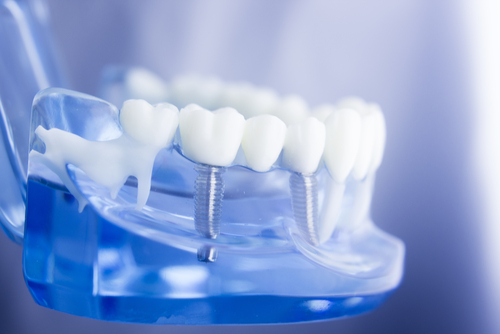
    To support bridges or replacement teeth, dental implants are artificial tooth roots that are surgically inserted into the jawbone. They are constructed of titanium, a biocompatible substance that bonds with the jawbone to offer a solid and reliable basis for replacement teeth. An efficient and long-term remedy for lost teeth is dental implants.

    Benefits of Dental Implants

    Dental implants have a number of advantages, such as:

    1. Better Oral Health: Dental implants give replacement teeth a safe and solid basis. They stop the jawbone from deteriorating and losing bone, which can happen when teeth are missing. Maintaining proper oral hygiene is also made simpler by dental implants.

    2. More Confidence: Dental implants can give you a more confident grin because they feel and look like natural teeth. Dental implants offer a long-lasting and sturdy alternative to dentures, which can slip or be uncomfortable.

    3. Better Speech: Missing teeth can make it difficult for you to speak clearly. Your ability to communicate clearly and confidently may be restored with dental implants.

    Types of Dental Implants

    Endosteal and subperiosteal dental implants are the two basic varieties.

    1. Endosteal Implants: The most typical dental implant is the endosteal implant. They consist of a tiny screw or cylinder that serves as the implant post and are inserted directly into the jawbone. A bridge or replacement tooth is affixed to the implant once it has integrated with the jawbone.

    2. Subperiosteal Implants: These implants are positioned above the jawbone but beneath the gum tissue. They are made of a metal frame that extends through the gum tissue, is linked to the jawbone, and is made. After that, the metal frame is fitted with bridges or replacement teeth.

    Dental implants: The ProcessThere are normally numerous steps involved in the dental implant process:

    1. Consultation: During the consultation, your dentist over at New Teeth Dental Solutions will assess the health of your teeth and gums to decide whether dental implants are the best course of action for you. They might also use X-rays or other imaging techniques to evaluate the condition of your jawbone and choose the ideal site for the implant.

    2. Dental Implant Placement: Your dentist will place the implant in your jawbone if you qualify for dental implants. This entails drilling a tiny hole in the jawbone and making a small incision in the gum tissue. After the implant has been inserted, the gum tissue is sewn up.

    3. Healing and Integration: It takes several months for the implant to integrate with the jawbone once it has been inserted. Over the duration of this time, the implant fuses with the jawbone and serves as a sturdy support for the bridge or replacement tooth.

    4. Crown Installation: Your dentist will affix the bridge or replacement tooth to the implant once it has integrated with the jawbone. A personalized crown or bridge that matches the size, shape, and color of your original teeth is made using an impression of your teeth.

    The Dental Implant Procedure
    Following dental implant surgery, recovery usually lasts many months. Therefore, it’s crucial to adhere to your dentist’s recommendations at this time, which may include avoiding crunchy or hard foods, giving up smoking, and maintaining proper dental hygiene. Also, your dentist might suggest painkillers to treat any discomfort.

    Remembering that dental implants need frequent cleanings and exams to stay healthy and last a long time is vital.

    In summary, dental implants are a successful and long-lasting way to replace missing teeth. They provide various advantages.

    Recent Posts

    • Teeth Whitening for Brighter Smile
    • Sedation Dentistry
    • Benefits of Teeth Cleaning
    • Why get Veneers?
    • What is Gum Treatment?
    Copyright All Rights Reserved | Theme: BlockWP by Candid Themes.